
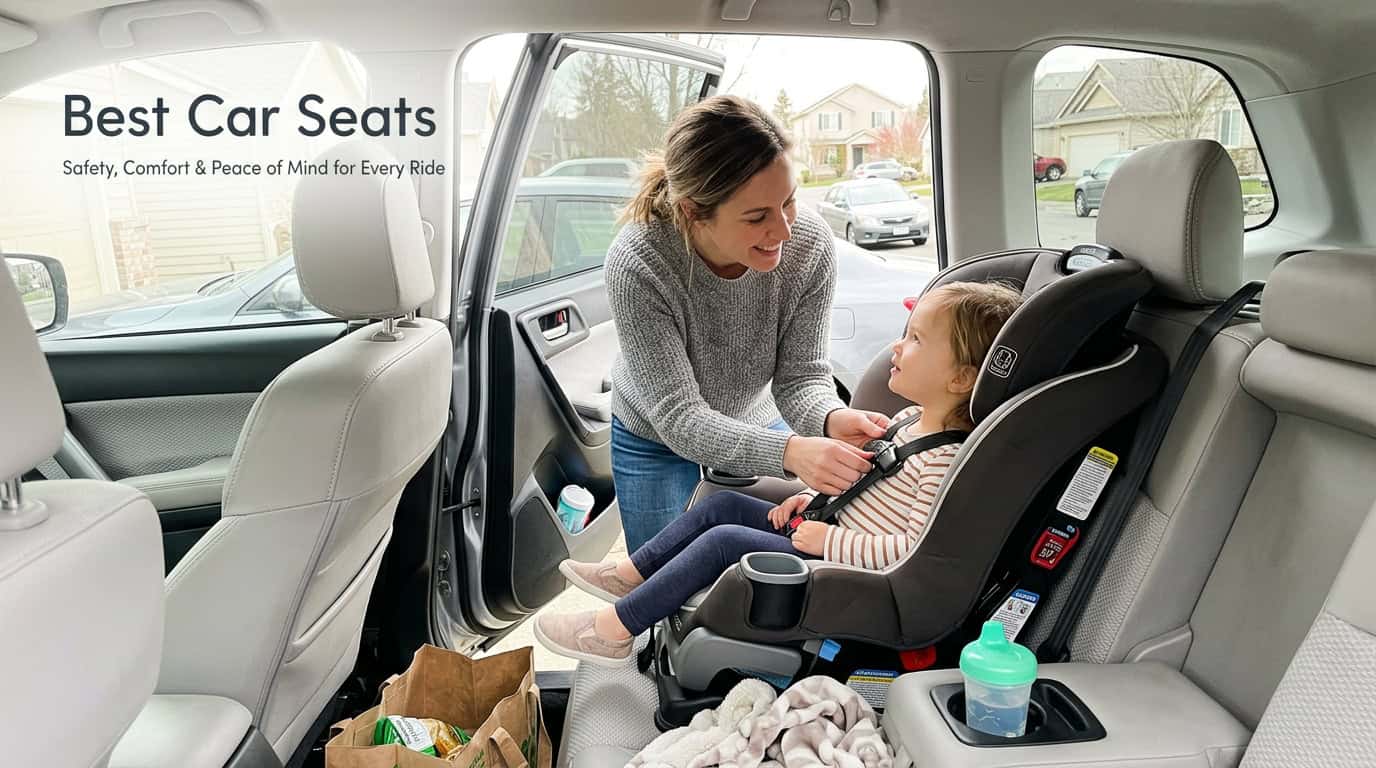
Nobody warns you that buying a car seat isn’t a one-time decision — it’s three or four decisions spread across several years, and each one comes with its own learning curve. The newborn seat you agonize over in the hospital parking lot isn’t the seat your toddler will be in two years later, and that’s not the seat your kindergartner will need either. Most buying guides either dump all ten seats into one flat ranking or split everything by “type” with no explanation of when you actually move from one to the next.
This guide walks through the real sequence: infant seats for the newest arrivals, convertible and all-in-one seats for the toddler years, and boosters for the stage where your child is graduating toward riding like a “big kid.” Along the way, we cover the one safety detail almost nobody explains clearly: when it’s actually time to switch out of each stage.
The Switch-Over Question Nobody Explains Well
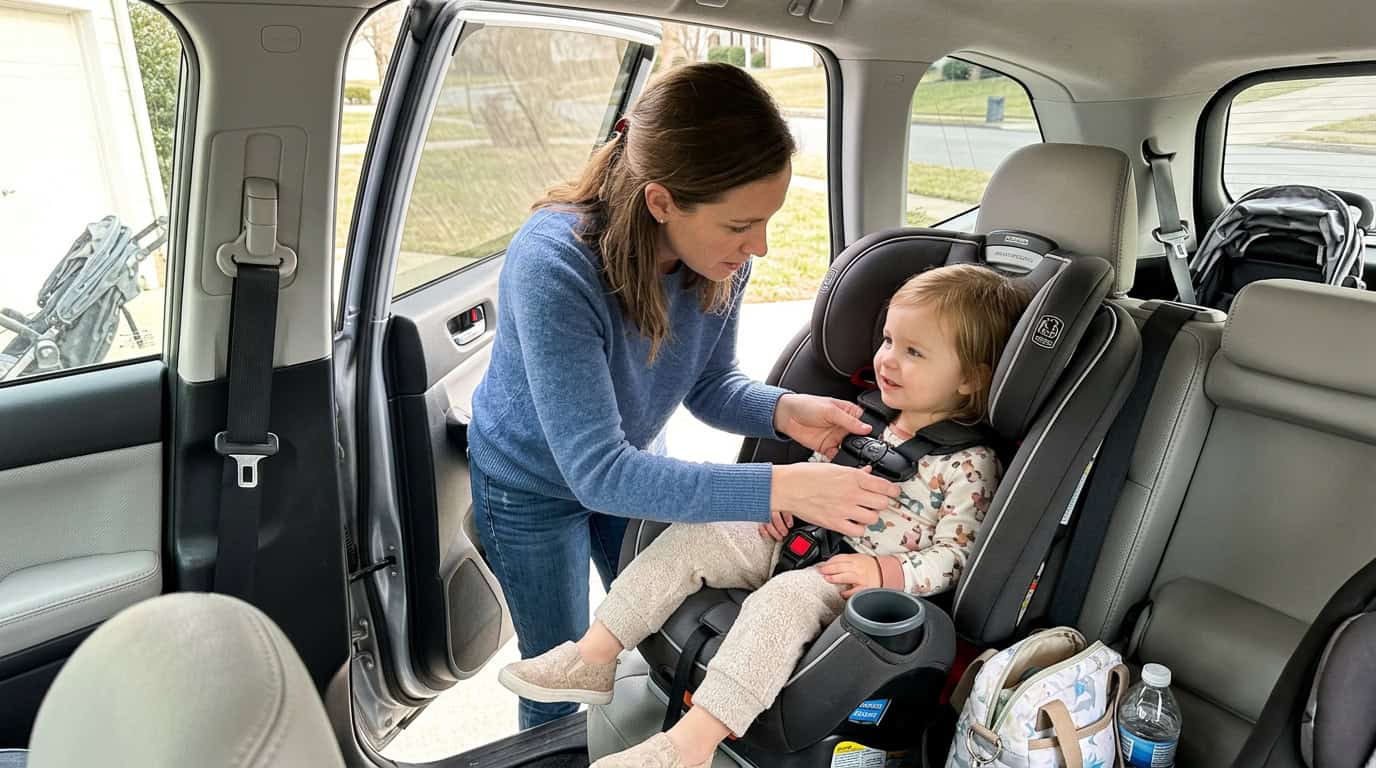
Consumer Reports’ crash testing has found something worth knowing before you assume your infant seat will last as long as its weight limit allows: a 12-month-old test dummy was more likely to hit its head on the back of the vehicle’s front seat while riding in a rear-facing infant seat than the same dummy riding rear-facing in a convertible or all-in-one seat. In practical terms, this means the weight/height limit printed on an infant seat isn’t always the best signal for when to move up — many CPSTs now recommend transitioning to a rear-facing convertible seat around the time a baby outgrows the infant seat’s torso/height fit, even if they’re technically still under the weight limit.
The American Academy of Pediatrics recommends keeping children rear-facing until at least age 2, and ideally until they reach the maximum rear-facing height or weight limit of their convertible seat — rear-facing remains the safer orientation for as long as a seat allows it.
Quick Picks by Stage
- Best Overall Infant Seat: Maxi-Cosi Mico XP Max — anti-rotation stability leg and one-click base for straightforward, secure installs
- Best Premium Infant Seat: CYBEX Cloud G Pro Comfort Extend — European safety engineering with extended infant-stage use
- Best Rotating Infant Seat: Maxi-Cosi Peri 180 Rotating — 180° swivel for easier in-car loading without the awkward reach-and-twist
- Best Convertible (Birth to Toddler): Maxi-Cosi Kani 4-in-1 — grows through four configurations as your child grows
- Best Rotating Convertible: Joie Chili Spin SI 360 — full 360° rotation makes both rear- and forward-facing loading easier
- Best Rotating All-in-One: Callisto G 360 Rotating All-in-One — one seat designed to span birth through booster stage
- Best Long-Term Value: Maxi-Cosi Pria All-in-One — one purchase instead of three separate seats across stages
- Best Travel/Folding Booster: Solution G2 Folding Travel High-Back Booster — folds flat for grandparents’ cars, carpool, or travel
- Best Premium High-Back Booster: Peg Perego Viaggio Flex 120 — added side-impact structure for the booster stage
- Best Belt-Positioning Booster: Maxi-Cosi Tanza — simple, no-frills booster for kids ready for adult seatbelt positioning
Comparison Table
| Car Seat | Stage | Best For | Standout Feature |
|---|---|---|---|
| Maxi-Cosi Mico XP Max | Infant | Easiest install | Anti-rotation stability leg |
| CYBEX Cloud G Pro Comfort Extend | Infant | Premium/extended use | Extend panel for longer infant-stage fit |
| Maxi-Cosi Peri 180 | Infant | Easier loading | 180° rotating seat |
| Maxi-Cosi Kani 4-in-1 | Convertible | Birth to toddler growth | 4 configurations in one seat |
| Joie Chili Spin SI 360 | Convertible | Easier loading at every angle | 360° rotation |
| Callisto G 360 All-in-One | All-in-One | Birth through booster | 360° rotation + long usage span |
| Maxi-Cosi Pria | All-in-One | One-seat long-term value | Spans multiple stages |
| Solution G2 Folding Booster | Booster | Travel/carpool/grandparents’ car | Folds flat for storage |
| Peg Perego Viaggio Flex 120 | Booster | Added structure/comfort | High-back side-impact design |
| Maxi-Cosi Tanza | Booster | Simple belt-positioning | Lightweight, no-frills design |
How We Organized This List
We’re parents, not certified crash-test engineers, and we want to be upfront about that. Every car seat sold in the U.S. has to meet Federal Motor Vehicle Safety Standard (FMVSS) 213 — that’s the legal minimum, and it’s non-negotiable regardless of price point. Beyond that baseline, the differences between seats in this guide come down to real day-to-day factors: how hard the seat is to install correctly every time, how it fits your specific child’s size and stage, and how long it realistically lasts before they outgrow it. For independent crash-test scoring beyond the federal minimum, Consumer Reports and the Insurance Institute for Highway Safety (IIHS) publish their own ratings, and we’d encourage cross-checking any seat you’re seriously considering against those before buying.
Infant Seats (Newborn Stage)
Maxi-Cosi Mico XP Max — Best Overall Infant Seat
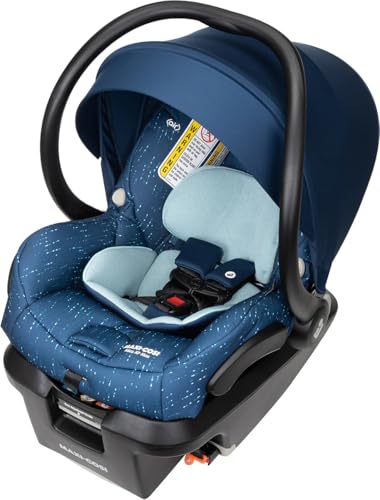
The Mico XP Max’s standout safety feature is its anti-rotation stability leg on the base, which is built to limit forward-backward movement during a crash — a meaningful add-on beyond the federal minimum. The MaxiLock base uses self-retracting LATCH connectors and includes tightness and level indicators, so you get a visual check that the seat is actually installed correctly rather than guessing.
It fits infants from about 4 to 30 pounds and up to 32 inches, with reversible head and body inserts designed to support newborns as small as 4 pounds. The seat cover removes without unthreading the harness, which matters more than it sounds like it should the first time you’re cleaning up a diaper blowout at 11pm.
It’s a genuinely solid all-rounder, but remember the switch-over guidance above — even with a 30-lb weight limit, many CPSTs recommend moving to a rear-facing convertible once your child’s torso height approaches the seat’s limit, rather than waiting for the weight limit alone.
CYBEX Cloud G Pro Comfort Extend — Best Premium Infant Seat
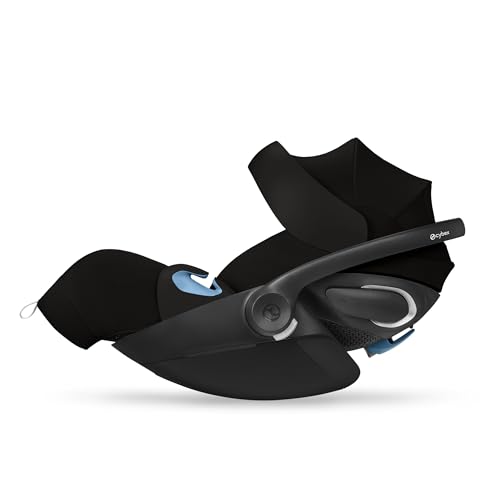
CYBEX has built its reputation on European safety engineering, and the Cloud G Pro Comfort Extend reflects that — the “Extend” naming suggests this seat is designed to keep a comfortable fit for longer into the infant stage than a standard-length infant seat, which can delay (though not eliminate) the need for an early switch to a convertible.

This sits at the premium end of the infant-seat category, and the price reflects build quality and brand reputation rather than a guarantee of superior crash performance — always verify current IIHS or Consumer Reports ratings for the specific model year before assuming “premium” automatically means “safer.”

For parents who want a recognizable, design-forward brand and don’t mind paying for it, this is a strong choice — just don’t skip the switch-over timing guidance just because the seat’s specs say you technically have room to spare.
Maxi-Cosi Peri 180 Rotating — Best Rotating Infant Seat
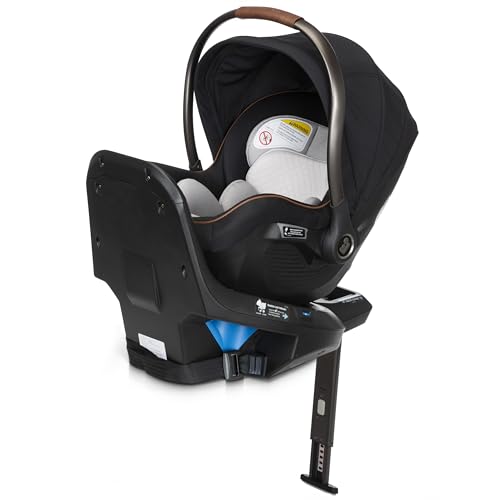
Loading a newborn into a rear-facing seat through a back door, twisted at an awkward angle, is one of the more universally hated parts of early parenthood. The Peri 180’s rotating base solves that specific problem — it swivels to let you load your baby facing the door before rotating back into the rear-facing travel position, without changing the seat’s actual safety orientation during the drive.
This is a genuine quality-of-life feature rather than a safety upgrade per se — the seat still travels rear-facing, as it should for this stage — but for parents dealing with tight garage spaces or a vehicle with narrow door clearance, it’s worth the extra cost.
Convertible Seats (Toddler Stage)
Maxi-Cosi Kani 4-in-1 — Best Convertible for Birth to Toddler Growth
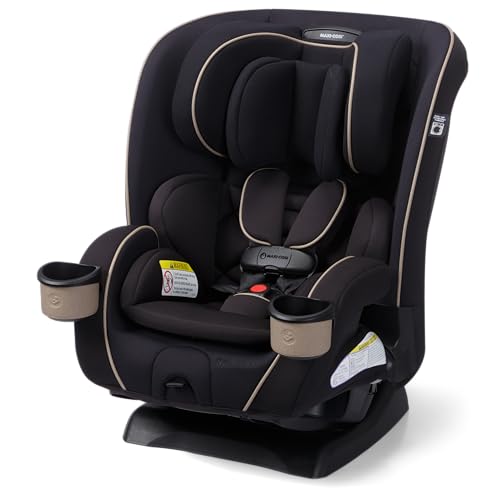
A “4-in-1” designation means this seat is designed to convert through four configurations as your child grows — typically rear-facing infant/toddler, forward-facing toddler, and eventually booster modes, though you’ll want to confirm the exact stage breakdown and weight/height limits in the manual before assuming it covers birth straight through to a backless booster.

The appeal of a convertible like this is buying fewer total seats over your child’s car-seat years, which saves money even if the upfront cost is higher than a basic infant seat. The tradeoff is that a convertible installed from birth is bulkier in the vehicle than a dedicated infant seat, and you lose the “click the carrier in and out” convenience of a true infant seat.

This is a strong pick for parents who’d rather buy one seat and adjust it over years than manage the infant-to-convertible transition separately.
Joie Chili Spin SI 360 — Best Rotating Convertible
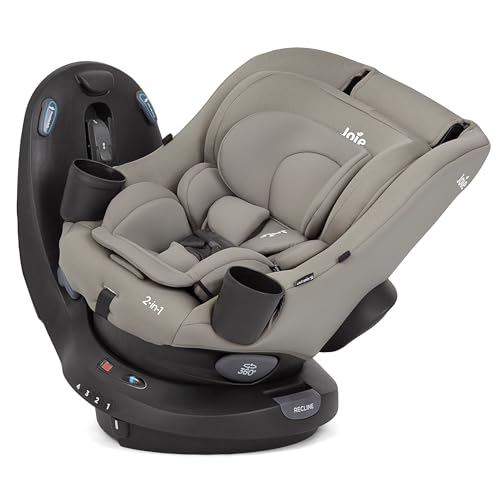
The “360” in the name refers to full rotation, meaning the seat can swivel to make loading easier in both rear-facing and forward-facing modes — a genuine upgrade in daily usability for the years when you’re wrestling a squirming toddler into a five-point harness multiple times a day.

As a 2-in-1 convertible, this covers the rear-facing and forward-facing stages but isn’t designed to convert into a backless booster the way some all-in-one seats are — plan to transition to a dedicated booster once your child outgrows the harnessed stage here.

The rotation mechanism adds weight and bulk compared to a non-rotating convertible, which is worth factoring in if your vehicle’s back seat is already tight with multiple seats installed.
All-in-One Seats (Birth Through Booster)
Callisto G 360 Rotating All-in-One — Best Rotating All-in-One
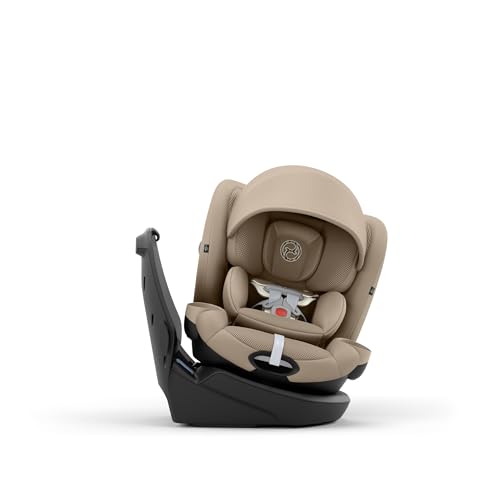
An all-in-one seat designed to span birth through booster is appealing on paper — one purchase, no switching seats, no re-learning a new install. The Callisto G 360 adds full rotation on top of that long usage span, combining the loading convenience of a rotating seat with the long-term value of an all-in-one.

The honest tradeoff with any all-in-one seat: it’s rarely best-in-class at any single stage. A dedicated infant seat will usually be lighter and easier to carry than an all-in-one’s infant mode, and a dedicated booster will usually be more compact than an all-in-one’s booster mode. You’re trading peak performance at each stage for overall convenience and cost savings across years.

For families who want to “set it and forget it” rather than research a new seat every year or two, this is exactly the right category — just go in knowing what you’re trading off.
Maxi-Cosi Pria All-in-One — Best Long-Term Value
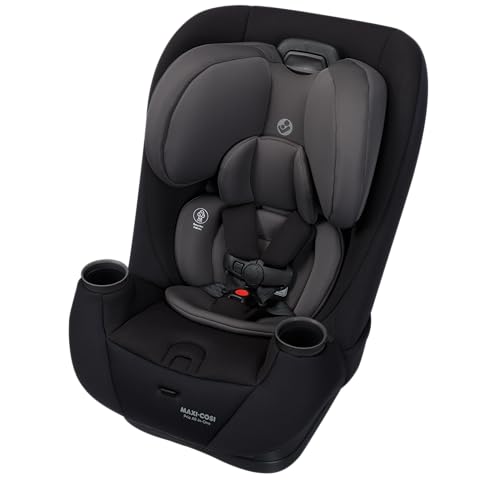
The Pria leans into the cost-per-year math harder than most: buying one all-in-one seat instead of separately purchasing an infant seat, a convertible, and a booster over several years typically works out cheaper in total, even though the upfront price tag is higher than any single stage-specific seat.

If you’re budgeting for one car seat purchase to last as long as possible rather than optimizing for the best possible experience at each individual stage, this is the practical, dollars-and-cents choice in this lineup.
Booster Seats (Big Kid Stage)
Solution G2 Folding Travel High-Back Booster — Best Travel/Folding Booster
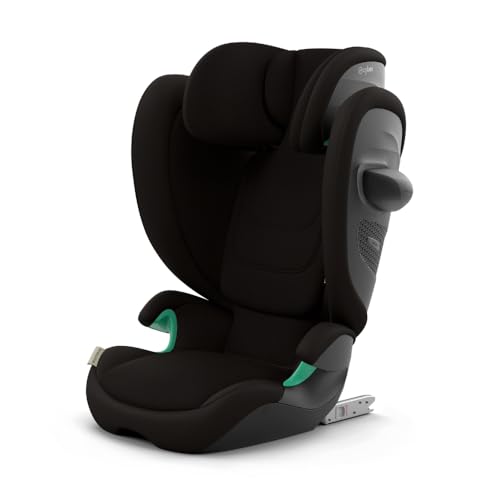
Booster seats matter for any vehicle your child rides in regularly — not just your own car. The Solution G2’s folding design is built specifically for the seats that move: grandparents’ cars, carpool, rideshares, or travel, where carrying a bulky standard booster isn’t realistic.

It’s a high-back booster, which generally provides more head and side support than a backless version — worth prioritizing over a backless booster for any vehicle without built-in headrests reaching high enough for your child’s head.

If your child only needs a booster in one consistent vehicle, a non-folding option may offer more structure for the price — this one earns its keep specifically through portability.
Peg Perego Viaggio Flex 120 — Best Premium High-Back Booster
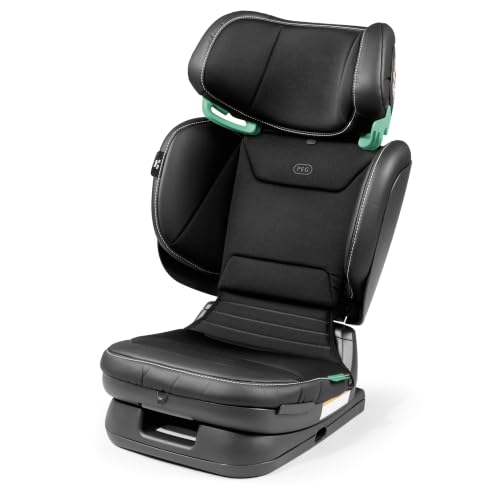
Peg Perego has a long track record in the booster category, and the Viaggio Flex 120 reflects that with additional side-impact structure built into the high-back design — a meaningful upgrade for the booster stage, where some parents mistakenly assume their child has “graduated” past needing strong side protection.

This sits at the premium end of the booster category. For families who want their child’s seat to still feel substantial and protective rather than a stripped-down “almost done with car seats” afterthought, it’s a worthwhile step up from basic belt-positioning boosters.
Maxi-Cosi Tanza — Best Belt-Positioning Booster
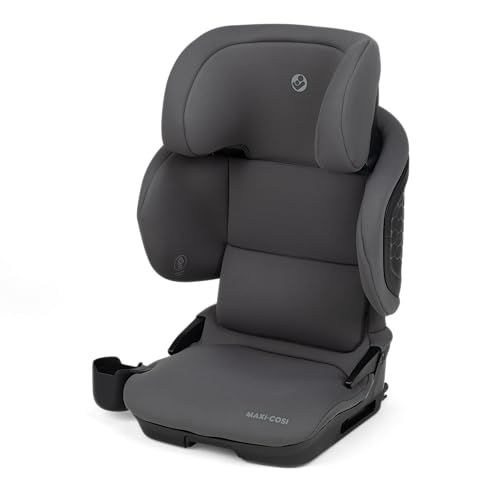
A belt-positioning booster’s entire job is simple: raise your child up so the vehicle’s own seatbelt crosses their body correctly — across the chest and shoulder, not the neck, and low across the hips rather than the stomach. The Tanza keeps this stage straightforward without unnecessary bulk.

This is the right category once your child has outgrown a harnessed seat by height or weight and can reliably sit still with proper posture for the full ride — booster graduation should be based on both physical fit and behavioral maturity, not age alone.
Who This Is NOT For
- Anyone considering a used or hand-me-down car seat without full history. If you don’t know for certain it’s never been in a moderate or severe crash, isn’t expired, and hasn’t been recalled, don’t use it — this applies regardless of how good a deal it seems.
- Families expecting an all-in-one seat to outperform a dedicated seat at any single stage. If peak performance at the infant or booster stage specifically matters more to you than long-term cost savings, a stage-specific seat is the better fit.
- Anyone planning to skip a professional installation check. Misinstallation is one of the most common, most preventable car seat safety failures — a free seat-check from a certified CPST is worth the appointment regardless of which seat you choose.
Checking Expiration and Recall Status
Every car seat has an expiration date, usually printed or stamped directly on the plastic shell or on a label — typically somewhere between 6 and 10 years from the manufacture date, depending on the brand and model. Heat and UV exposure over years can degrade the plastic, which is why manufacturers set a hard expiration rather than relying on visual wear alone.
To check recall status, search your seat’s exact model name and number directly on NHTSA.gov, or sign up for manufacturer recall notifications when you register the seat (most car seats include a registration card for exactly this reason — fill it out). Replace any car seat that’s been in a moderate or severe crash, even if it looks undamaged, and never use a seat with missing parts or instructions.
Frequently Asked Questions
When should I switch from an infant car seat to a convertible car seat?
Switch when your baby reaches the infant seat’s height or weight limit — whichever comes first — even if they haven’t hit both. Some Child Passenger Safety Technicians recommend moving up once a baby’s head is within an inch of the top of the shell, since Consumer Reports’ testing has found infant seats can allow more head movement toward the vehicle’s front seat than a rear-facing convertible at the same age.
How long are car seats good for before they expire?
Most car seats expire 6 to 10 years from the manufacture date, printed directly on the seat. Check your specific model’s label rather than assuming a standard timeline, since this varies by brand.
When can my child switch from a car seat to a booster?
Your child is ready for a booster once they’ve outgrown the harnessed seat’s height or weight limit, AND can consistently sit still with proper posture (back against the seat, knees bent at the seat edge) for the entire ride without slouching or leaning out of position.
Do all-in-one car seats sacrifice safety for convenience?
Not necessarily — all-in-one seats still must meet the same FMVSS 213 federal safety standard as any other car seat. The tradeoff is typically in day-to-day usability (weight, bulk, ease of carrying) at any individual stage, not in baseline crash protection.
Quick Recap: Where to Buy Each Pick
| Car Seat | Best For | Check Price |
|---|---|---|
| Maxi-Cosi Mico XP Max | Best Overall Infant Seat | View on Amazon |
| CYBEX Cloud G Pro Comfort Extend | Best Premium Infant Seat | View on Amazon |
| Maxi-Cosi Peri 180 Rotating | Best Rotating Infant Seat | View on Amazon |
| Maxi-Cosi Kani 4-in-1 | Best Convertible | View on Amazon |
| Joie Chili Spin SI 360 | Best Rotating Convertible | View on Amazon |
| Callisto G 360 All-in-One | Best Rotating All-in-One | View on Amazon |
| Maxi-Cosi Pria | Best Long-Term Value | View on Amazon |
| Solution G2 Folding Booster | Best Travel/Folding Booster | View on Amazon |
| Peg Perego Viaggio Flex 120 | Best Premium High-Back Booster | View on Amazon |
| Maxi-Cosi Tanza | Best Belt-Positioning Booster | View on Amazon |
Whatever seat you choose at any stage, the seat that’s installed correctly every single time beats the seat with the best spec sheet. If you’re not 100% confident in your install, find a free car seat check event near you — most fire departments and hospitals host them regularly, and a CPST can confirm your specific setup in about 15 minutes.