
If you’re searching for real talk on c-section weight loss, you’re in the right place. Healing from a cesarean is a big deal—your body just went through major surgery and brought a new human into the world! The pressure to “bounce back” can feel overwhelming, but recovery and weight loss after a c-section are different for everyone. Let’s walk through what actually helps, from healing tips and scar care to gentle workouts, belly bands, and more.
| Main Point | Quick Summary |
|---|---|
| Recovery is gradual | Healing takes 6–12 weeks or more; be patient with your body |
| Weight loss varies | Most moms lose weight slowly; focus on health, not just the scale |
| Scar care matters | Scar creams and massage can help minimize scarring |
| Belly bands offer support | The right band can ease discomfort and aid recovery |
| Gentle movement is key | Yoga and core-safe exercises help rebuild strength safely |
C-Section Recovery and Weight Loss
Why C-Section Recovery Is Unique
A c-section isn’t just another way to have a baby—it’s a full-on abdominal surgery. That means your body needs more time and TLC to heal compared to a vaginal birth. Here’s why:
- Incision healing: Your doctor cut through skin, fat, muscle, and your uterus. That’s a lot for your body to repair!
- Muscle weakness: Your core muscles are stretched and sometimes separated (hello, diastasis recti), so regaining strength takes time.
- Hormonal shifts: After birth, your hormones are all over the place. Low estrogen and high cortisol (the stress hormone) can slow your metabolism and make your body hold onto belly fat.
- Physical limits: Bending, lifting, and intense exercise are off-limits at first to protect your incision and core.
Mom tip:
Don’t compare your recovery to anyone else’s. Some moms feel great after a few weeks; others need months. Both are normal!
The C-Section Recovery Timeline
Understanding what’s happening in your body can help you set realistic expectations for healing and c-section weight loss.
| Timeframe | What’s Happening | Healing Tips |
|---|---|---|
| 0–2 weeks | Incision healing, swelling, fatigue | Rest, gentle walks, hydration |
| 2–6 weeks | Energy returns, scar tissue forms | Light stretching, start scar care |
| 6–12 weeks | Core still weak, most wounds healed | Low-impact exercise, belly band use |
| 3–6+ months | Scar matures, fitness rebuilds | Gradually increase workout intensity |
Always get your doctor’s OK before starting new exercise routines.
Scar Care Essentials
Why Scar Care Matters
Your c-section scar is a badge of honor, but it’s totally normal to want it to heal as smoothly as possible. Good scar care can help reduce itchiness, redness, and thickness, and even help you feel more comfortable in your skin.
- Start with clean, dry skin: Only begin scar care after your incision is fully closed (usually after your postpartum checkup).
- Scar massage: Gently massaging the scar (once healed) can help break up scar tissue and improve flexibility.
- Moisturize: Hydrated skin heals better and feels less tight.
Recommended Scar Creams
Here are some mom- and doctor-approved options for c-section scar care:
| Product Name | Features & Benefits | Notes |
|---|---|---|
| Mederma Advanced Scar Gel | Improves texture, color, appearance of scars | Suitable for old/new scars |
| Bio-Oil Skincare Oil | Moisturizes, reduces scar and stretch mark appearance | Dual-action formula |
| ScarAway Silicone Scar Sheets | Hydrates scar tissue, reduces itchiness and redness | Good for hard-to-reach areas |
| Palmer’s Cocoa Butter Scar Stick | Cocoa butter, vitamin E, silicone for hydration | Portable, easy to use |
| Motherlove C-Section Cream | Organic herbs, soothes and nourishes skin | Use after wound closure |
Tips for use:
- Apply only after your incision is fully closed and scab-free.
- Massage gently 2–3 times daily for best results.
- If you notice redness, swelling, or pain, stop using the product and check with your doctor.
Belly Bands and Binders
How Belly Bands Help
Belly bands aren’t just a trend—they can actually make a big difference in your comfort and recovery after a c-section.
Benefits of belly bands:
- Provide gentle compression and support to your healing core
- Reduce discomfort when moving, laughing, or coughing
- Improve posture (which helps with back pain)
- May help with swelling and that stubborn “c-section pooch”
Choosing the Right Belly Band
Not all belly bands are created equal! Here are some top picks for c-section recovery:
| Product Name | Features & Benefits | Notes |
|---|---|---|
| Frida Mom Postpartum Abdominal Binder | Adjustable straps, molds to body, incision protection | Designed for c-section |
| Bellefit Corset | Medical-grade, supports pelvis, back, and abs | Reduces swelling/discomfort |
| UpSpring Baby Shrinkx Belly | Breathable, adjustable, gentle compression | Day/night use |
| C-Panty High Waist Recovery Panty | Compression over incision, high waist for support | Silicone panel for comfort |
| Ingrid & Isabel Recovery Undies | Soft, stretchy, silicone panel for incision | Gentle compression |
Tips:
- Choose soft, breathable fabrics (nobody wants a sweaty belly!).
- The band should be snug but not tight—if it hurts, loosen it.
- Wear for a few hours at a time, especially when up and about.
- Always check with your doctor before using a belly band, especially if you have any incision issues.
Gentle Workouts and Yoga Routines
When to Start Moving
Movement is important for both your recovery and c-section weight loss, but slow and steady wins the race here.
- First 6 weeks: Focus on rest, short walks, and gentle pelvic floor exercises.
- After 6–8 weeks: With your doctor’s OK, add gentle stretching and basic yoga (see below).
- After 12 weeks: Gradually increase intensity with low-impact workouts.
Best Gentle Yoga Poses for C-Section Recovery
Yoga can help you reconnect with your body, reduce stress, and gently rebuild strength. Here are some safe poses to try (after medical clearance):
| Yoga Pose | Benefits | When to Try |
|---|---|---|
| Pelvic Tilts | Core engagement, pelvic alignment | Early recovery |
| Cat-Cow Stretch | Flexibility, gentle spine mobility | Early to mid recovery |
| Bridge Pose | Glutes, core strength, gentle ab engagement | Mid recovery |
| Child’s Pose | Relaxation, lower back stretch | Any stage |
| Deep Breathing | Stress relief, gentle core activation | Any stage |
Avoid:
- Intense twists, deep backbends, and core-heavy poses until your doctor says you’re ready.
Mom tip:
Start with just 5–10 minutes a day. Listen to your body—if something feels “off” or painful, stop and rest.
Nutrition and Lifestyle Tips for C-Section Weight Loss
Let’s be real: after a c-section, your body is working overtime to heal. Crash diets or skipping meals aren’t the answer—your body needs fuel and rest to recover and gradually shed weight. Here’s what works best:
- Focus on whole foods: Fill your plate with lean proteins (chicken, eggs, tofu), whole grains (oats, brown rice), fruits, veggies, and healthy fats (avocado, nuts, olive oil). These foods support tissue repair and keep you full longer.
- Stay hydrated: Water is your best friend for healing, metabolism, and milk supply (if you’re breastfeeding).
- Snack smart: Keep easy, nourishing snacks on hand—think Greek yogurt, apple slices with nut butter, or trail mix.
- Don’t cut calories too low: Especially if you’re breastfeeding, your body needs extra energy. Aim for slow, steady weight loss (about 1–2 pounds per week is healthy).
Mom tip:
Try prepping snacks and meals in advance, or ask a friend or partner to help. The easier it is to grab something healthy, the less likely you’ll reach for junk food.
The Truth About Belly Bands and Binders
What the Research Says
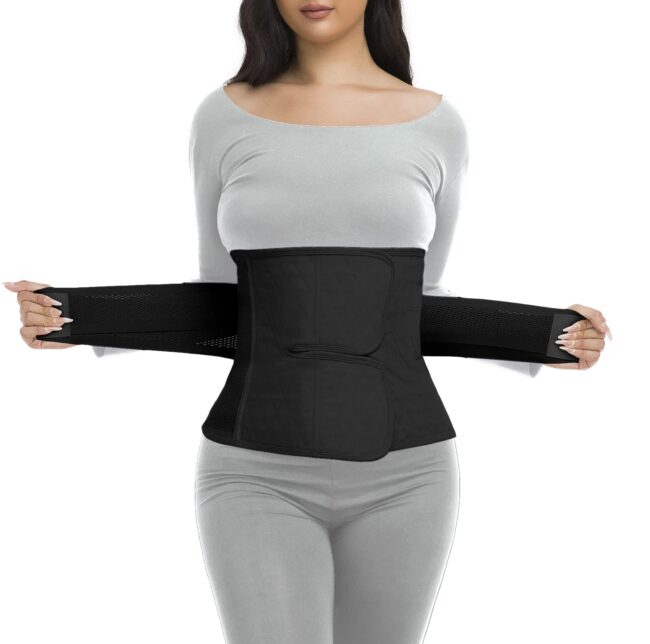
Belly bands (also called postpartum wraps or binders) are more than just a trend. Studies and experts agree: belly bands can help with pain, healing, and comfort after a c-section. Here’s how:
- Support for healing muscles: Belly bands provide gentle compression, helping your abdominal muscles recover and regain strength after surgery.
- Pain relief: Compression over your incision can make sneezing, coughing, or moving less painful.
- Better mobility: With support, it’s easier to get out of bed, walk, and care for your baby.
- Improved posture: Belly bands encourage you to stand straighter, which can ease back pain and help your core heal.
- Incision protection: The wrap shields your scar from accidental bumps or pressure, reducing the risk of reopening or irritating the incision.
- Reduced swelling: Compression can help lower swelling around your belly and incision.
“One must-have item to aid in recovery is a postpartum belly band. During the early days, you may have pain or soreness. The belly band provides support and stability.” — Molaka Reese, RN
How to Use a Belly Band Safely
- Wait until your doctor gives the okay—usually after your incision is closed and healing well.
- Wear for a few hours at a time, especially when you’re moving around or need extra support.
- Choose the right fit: The band should be snug but not tight. Look for breathable, soft fabrics that won’t irritate your skin.
- Keep your incision clean and dry: Don’t put creams or wraps directly on an open wound.
- Listen to your body: If you feel pain, numbness, or tingling, take the band off and let your doctor know.
Types of Belly Bands
| Type | Features | Best For |
|---|---|---|
| Elastic wraps | Soft, stretchy, adjustable | Everyday comfort |
| Support belts | More structured, extra back/hip support | Moms with back pain |
| Shapewear-style bands | Tighter fit, smooths under clothes | Special occasions |
| High-waisted panties | Built-in compression, easy to wear | All-day support |
Pro tip:
Ask your healthcare provider for recommendations based on your body and recovery needs.
Gentle Workouts and Yoga for C-Section Recovery
Once you’ve got the green light from your doctor (usually at 6–8 weeks postpartum), gentle movement is your friend. Here’s how to ease back into fitness and support c-section weight loss:
- Start with walks: Walking boosts circulation, helps with swelling, and gently burns calories.
- Try gentle yoga: Poses like pelvic tilts, cat-cow, bridge, and child’s pose help rebuild core and pelvic floor strength without straining your incision.
- Focus on deep breathing: Diaphragmatic breathing activates your core and promotes relaxation.
- Avoid crunches, planks, or heavy lifting until your core is fully healed and your provider says it’s safe.
Sample gentle yoga routine:
- Pelvic tilts (10 reps)
- Cat-cow stretches (10 reps)
- Bridge pose (5–10 reps)
- Child’s pose (hold for 1–2 minutes)
- Deep belly breathing (5 minutes)
Mom tip:
Start with 5–10 minutes a day and build up slowly. If you feel pain, stop and rest.
Common Mistakes That Can Stall Your Progress
- Skipping meals: This slows your metabolism and can actually make weight loss harder.
- Doing intense ab workouts too soon: Crunches and planks can worsen diastasis recti or hurt your incision.
- Ignoring rest: Your body heals and burns fat best when you’re well-rested.
- Comparing yourself to others: Every recovery is unique—social media “snap backs” are not the norm.
When to Ask for Help
Reach out to your doctor or a postpartum specialist if you notice:
- Redness, swelling, or pus at your incision
- Severe pain or bulging belly (could be hernia or diastasis recti)
- No progress after 6+ months, even with healthy habits
- Emotional struggles, anxiety, or sadness that won’t go away
A pelvic floor therapist or postpartum fitness pro can help you safely rebuild strength and confidence.
Final Thoughts: Celebrate Your Progress, Not Perfection
Healing after a c-section is a journey, not a sprint. Some days you’ll feel strong; other days, you’ll want to nap and eat cookies—and that’s okay! Focus on gentle movement, nourishing food, and small wins (like walking a little farther or feeling less sore). Your body just did something amazing. Give it time, kindness, and support. You’ve got this, mama! 💛
Always check with your healthcare provider before starting new routines after a c-section.