
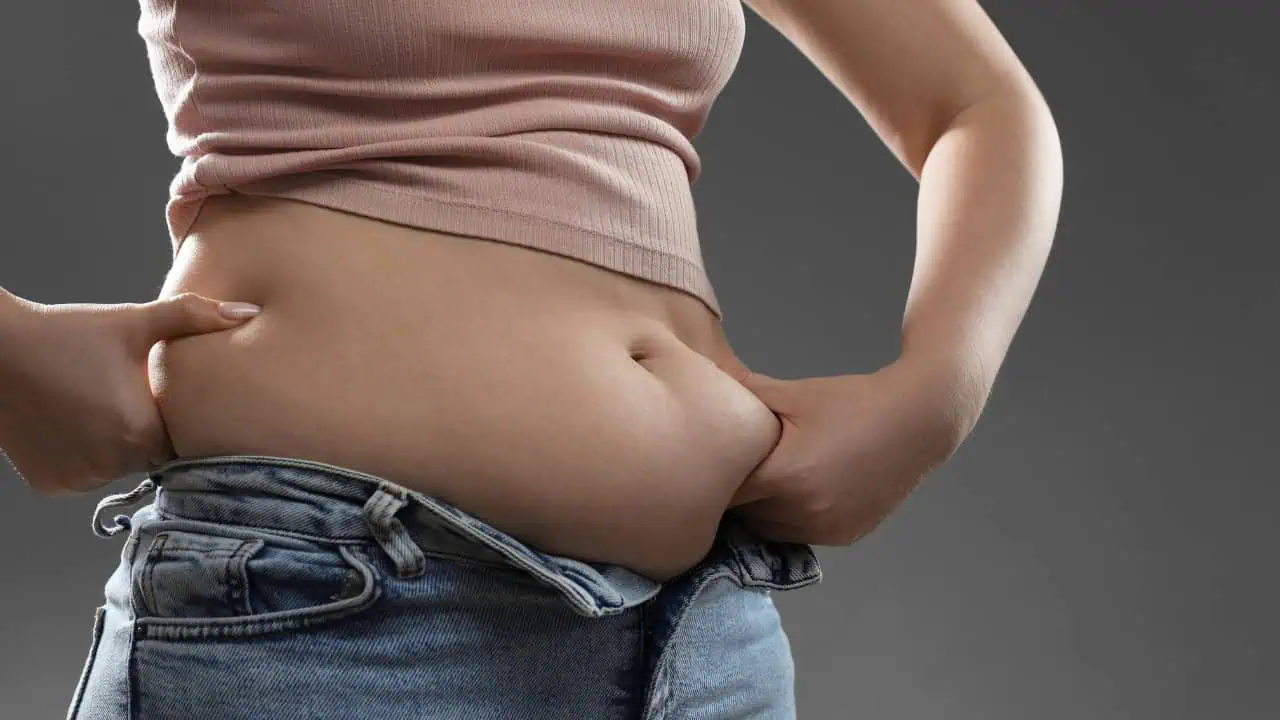
Let’s get real: figuring out how to lose belly fat after pregnancy can feel like an uphill battle—especially when you’re running on three hours of sleep, juggling feedings, and wondering if your body will ever feel like “yours” again. If you’re staring at that postpartum belly (aka “mom pooch”) and feeling overwhelmed, you’re not alone. Despite what social media might show, most bellies don’t “snap back” in six weeks. But you can make progress with realistic, safe steps—no crash diets or endless crunches required. Ready for some honest, mom-to-mom advice? Let’s dive in!

Pregnancy
| Main Point | Quick Summary |
|---|---|
| Postpartum belly fat is normal and takes time | Hormones, healing, and body changes make it stubborn |
| Healing comes before hardcore workouts | Focus on rest, gentle movement, and core rehab first |
| Nutrition and sleep matter as much as exercise | Balanced meals and rest help your body recover and burn fat |
| Breastfeeding helps some, but isn’t a magic fix | It burns calories, but results vary |
| Ask for help if you’re struggling | Pelvic floor therapists and postpartum pros can guide your recovery |
Why Belly Fat After Pregnancy Is So Stubborn
First off, this isn’t just “fat.” There’s a mix of water retention, hormonal shifts, maybe even diastasis recti (that’s when your abs separate a bit during pregnancy — super common).
- Hormonal changes: After birth, estrogen and progesterone drop, while cortisol (the stress hormone) can spike—especially if you’re sleep-deprived. This combo encourages your body to hold onto fat, especially around the middle.
- Diastasis recti: Many moms experience a separation of the abdominal muscles, making it harder for your core to “hold in” the belly. Healing this is key before traditional ab exercises.
- C-section recovery: If you had a C-section, your body needs extra time to heal. Scar tissue and swelling can make the belly feel even more stubborn.
- Your body needs time: Nine months to grow a baby, nine months (or more!) to recover is a good rule of thumb.
Postpartum Weight Gain vs. Bloating
| Feature | Weight Gain | Abdominal Bloating |
|---|---|---|
| Cause | Extra fat storage, hormonal shifts | Gas, constipation, water retention |
| Feels like | Consistent fullness, “soft” belly | Fluctuates, can be tight/uncomfortable |
| Timeline | Slow to change | Can change day-to-day |
| Solution | Nutrition, movement, time | Hydration, fiber, gentle movement |
Postpartum Belly Fat: What’s Normal & What’s Not
What’s normal:
- 1 month: Still look ~5 months pregnant (yep, really)
- 3 months: Belly may shrink, but “mom pooch” often lingers
- 6+ months: Gradual changes, but some separation or softness is common
When to be concerned:
- Severe bulging or doming in the belly (could be diastasis recti or hernia)
- Ongoing pain, swelling, or digestive issues
- No change at all after many months, despite healthy habits
“I remember crying in the dressing room at 4 months postpartum—nothing fit. But by 9 months, my core felt stronger, and I finally felt like myself again. Be patient with your body!” — Real Mom
Belly
Safe Timeline to Start Losing Belly Fat After Pregnancy
- 0–6 weeks: REST. Focus on healing, bonding, and gentle walks (if you feel up to it).
- 6+ weeks: If cleared by your doctor, try light movement—think stroller walks, gentle stretching, and pelvic floor exercises.
- 3+ months: Add core-safe strengthening and focus on nutrition. Avoid high-impact workouts or crunches if you have diastasis recti.
Recovery Timeline by Weeks
| Weeks Postpartum | Focus Area |
|---|---|
| 0–6 | Rest, hydration, gentle walks |
| 6–12 | Light movement, core rehab |
| 12+ | Gradual strength, nutrition |
Realistic Tips That Actually Help
A. Fix Your Core First 💪
- Start with gentle core engagement: TVA breathing, pelvic tilts, and pelvic floor work are your friends.
- Avoid crunches or sit-ups if you have diastasis recti—these can make things worse.
- Check out the [diastasis recti guide on Daymoms.com] for step-by-step help.
B. Breastfeeding & Belly Fat
Breastfeeding can burn 300–500 extra calories a day, but it’s not a guarantee for fat loss. Some moms lose weight, others hold onto fat until weaning.
| Pros of Breastfeeding | Cons of Breastfeeding |
|---|---|
| Burns extra calories | Increases appetite (hello, snacks!) |
| May help shrink uterus faster | Not all moms lose weight |
| Supports baby’s health | Can cause dehydration if not careful |
Tip: Listen to your hunger cues and stay hydrated.
C. Eat Like a Nourished, Healing Mom 🍽️
- Focus on anti-inflammatory foods: leafy greens, berries, salmon, nuts, and seeds.
- High-protein meals support muscle repair (think eggs, Greek yogurt, chicken, lentils).
- Snack ideas for busy moms: apple with nut butter, boiled eggs, hummus and veggies, Greek yogurt with berries.
- Avoid fad diets or intermittent fasting early postpartum—your body needs fuel to heal!
D. Sleep (Or Something Like It) 💤
- Lack of sleep raises cortisol, which encourages belly fat storage.
- If you can, nap when baby naps—even if the dishes pile up. Laundry can wait!
E. Start Moving…Slowly
- Walking with the stroller is a great, gentle way to get moving.
- Try 10-minute, core-safe home workouts (YouTube is full of options!).
- For a full beginner plan, see [beginner workouts for new moms on Daymoms.com].
Common Mistakes That Keep the Belly Fat Hanging On
- Skipping meals (slows metabolism)
- Doing crunches too early (worsens diastasis recti)
- Comparing yourself to influencers (unrealistic and discouraging)
- Ignoring pelvic floor and deep core exercises
When to Ask for Help
How to Lose Belly
- Severe diastasis recti: If you see a deep gap or bulge in your belly, consult a pelvic floor therapist.
- Postpartum depression: If your mood, eating, or sleep are suffering, reach out to your doctor.
- Stuck after 6+ months: If nothing is changing, a postpartum specialist can help you tweak your plan.
Don’t be afraid to ask for help—your health matters, too!
Final Thoughts: Be Kind to Your Postpartum Body
Healing after pregnancy isn’t a straight line. Some days you’ll feel strong, others you’ll feel like nothing is changing. Remember: one day, those jeans won’t fit—not because you “snapped back,” but because you’ve grown into a new, stronger version of yourself. Real change is slow, but it’s happening—one baby step at a time. You’ve got this, mama! 💛